 01Research
Participatory crop research
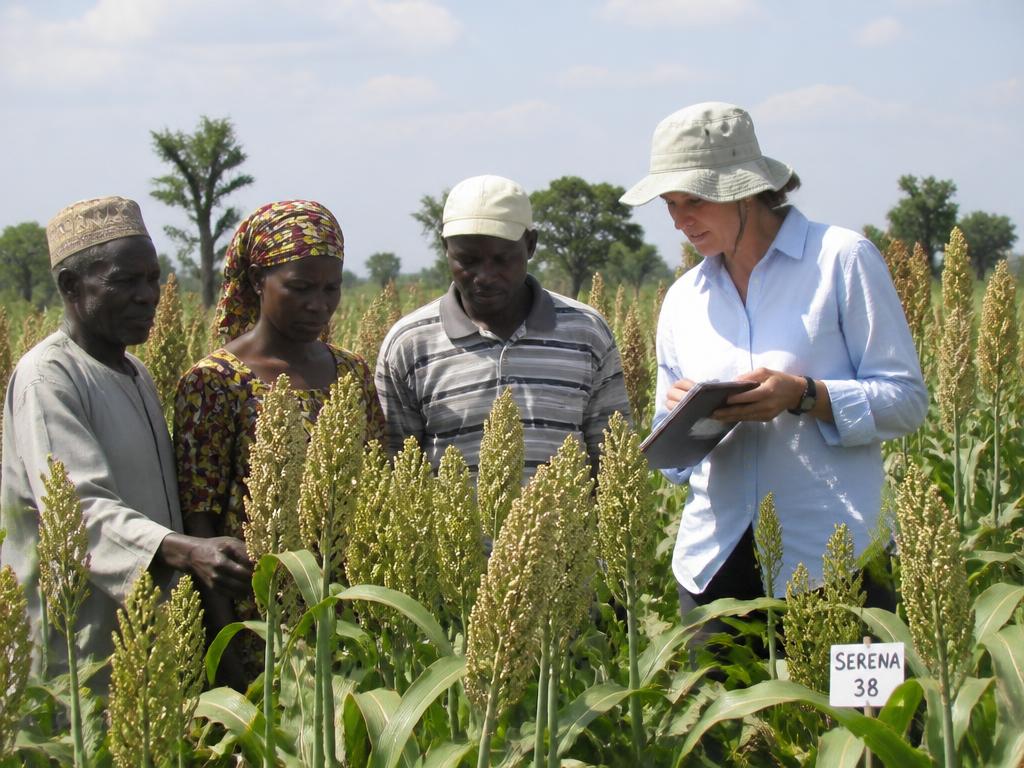
Sorghum variety selection conducted with farmers rather than for them, using the Tricot citizen science methodology.
Research Fellow · Agriculture Specialist · ICRISAT · University of Hertfordshire
Few people can sit in a Hertfordshire research seminar in the morning and a Telangana farmer meeting in the afternoon, and be trusted in both rooms. That is the whole business.

Sathish Bakkathatla, our founder, is an agricultural research professional whose career has been built in the two places that rarely meet: the laboratories and lecture theatres of UK agricultural science, and the unirrigated smallholdings of Telangana.
The research grounding came first, at ICRISAT. A year at the International Crops Research Institute for the Semi-Arid Tropics, working on the Tricot citizen science programme with 200 smallholder farming households across Telangana and neighbouring states. The work covered sorghum participatory variety selection, plant phenotyping and digital field data collection, then progressed into seed multiplication and crop physiology as a project manager. It taught something no classroom does: a technology only counts once a farmer with no margin for error decides to risk a season on it.
The second grounding is British in every professional sense. An MSc in Environmental Management for Agriculture at the University of Hertfordshire, membership of the Royal Agricultural Society of England, and immersion in the UK and European agri-tech ecosystem, its manufacturers, research institutions and trade events. That is the vocabulary, the standards and the professional register UK and European boards expect from a partner.
AgriShakti UK exists because those two groundings almost never appear in the same person. A UK executive cannot easily build trust with an Indian farming cooperative. An Indian intermediary rarely holds the agricultural qualifications and industry standing that a UK or European partner would underwrite a market entry on. AgriShakti UK does both, and does them with credentials on record.
Each of these is practised, not claimed. They come from research programmes, field seasons and commercial partnership work, and together they are what allows a UK or European company to enter India with a partner who understands both the science and the sale.
01ResearchSorghum variety selection conducted with farmers rather than for them, using the Tricot citizen science methodology.
 02Science
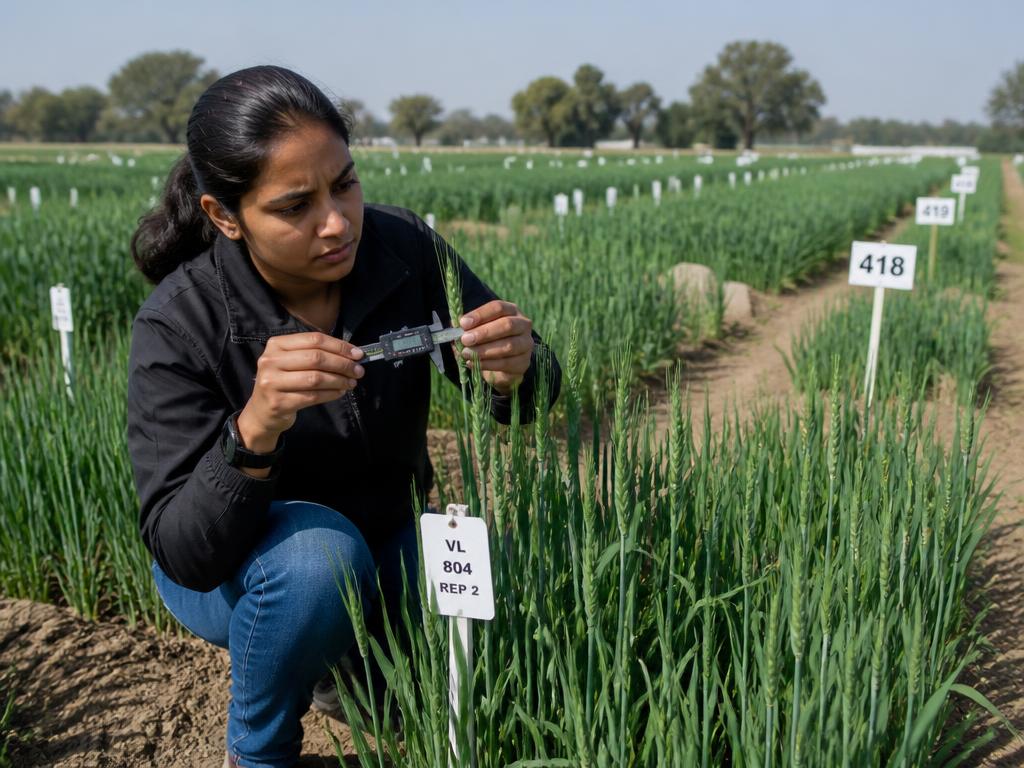
Field phenotyping, trial management and seed multiplication under recognised research institute protocols.
 03Field
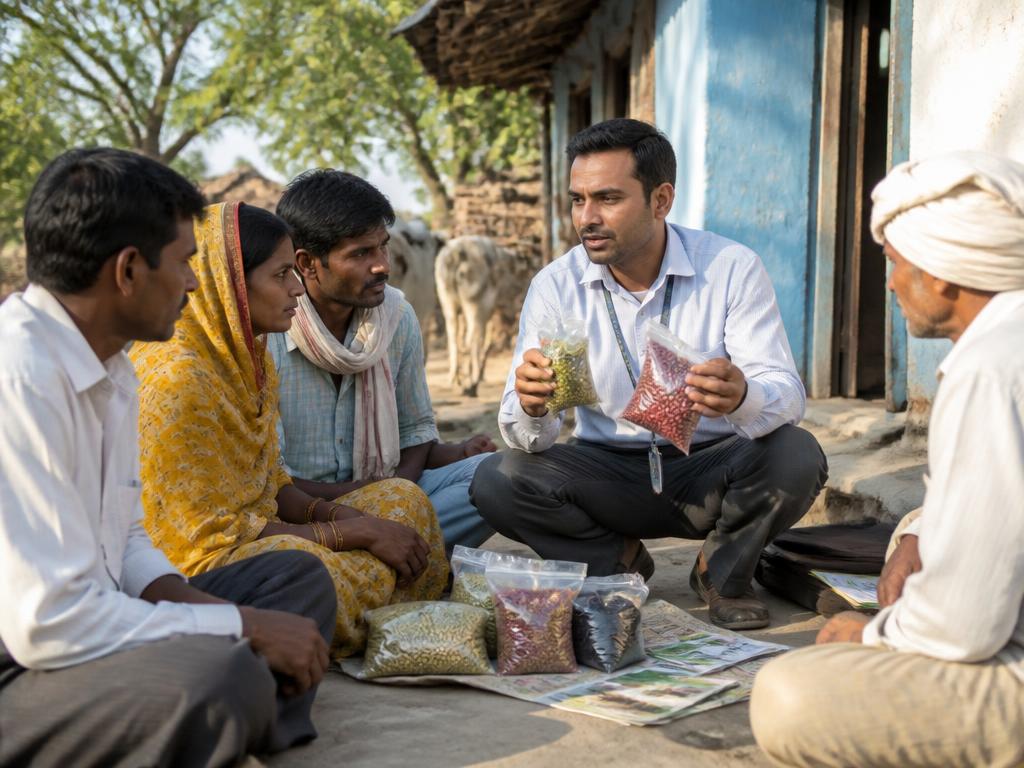
Working with risk-averse smallholder farming households to trial improved varieties, and measuring adoption outcomes with scientific rigour.
 04Commercial
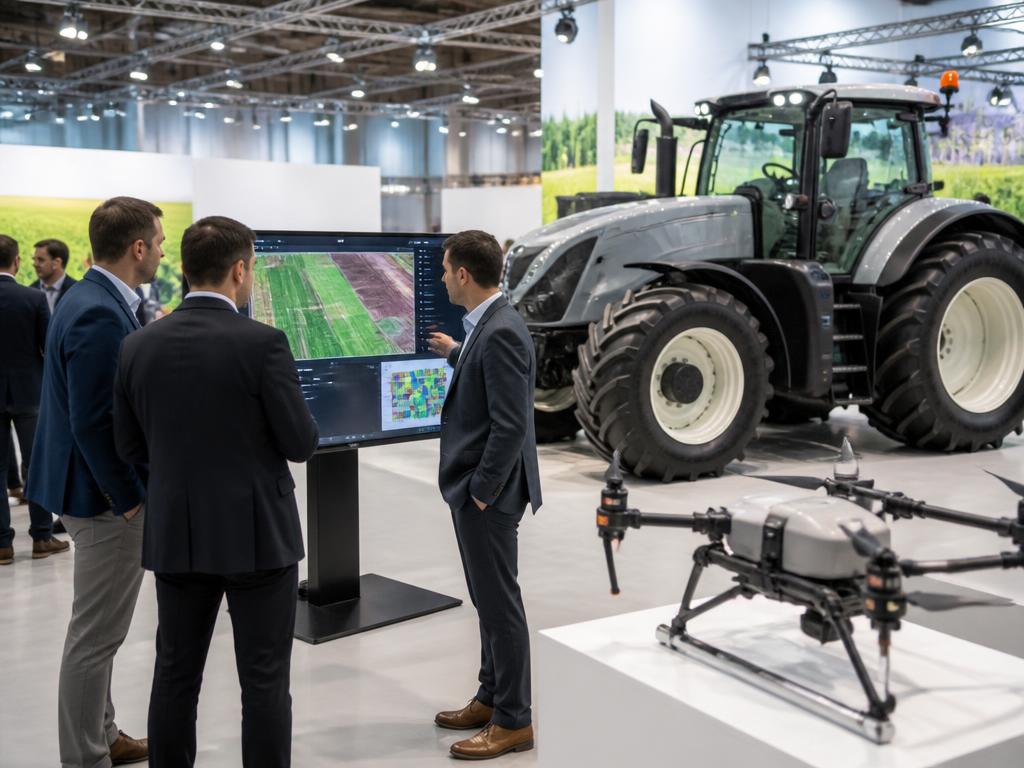
Strategic route-to-market design for UK and European agricultural technology manufacturers entering the Indian agricultural economy.
 05Networks
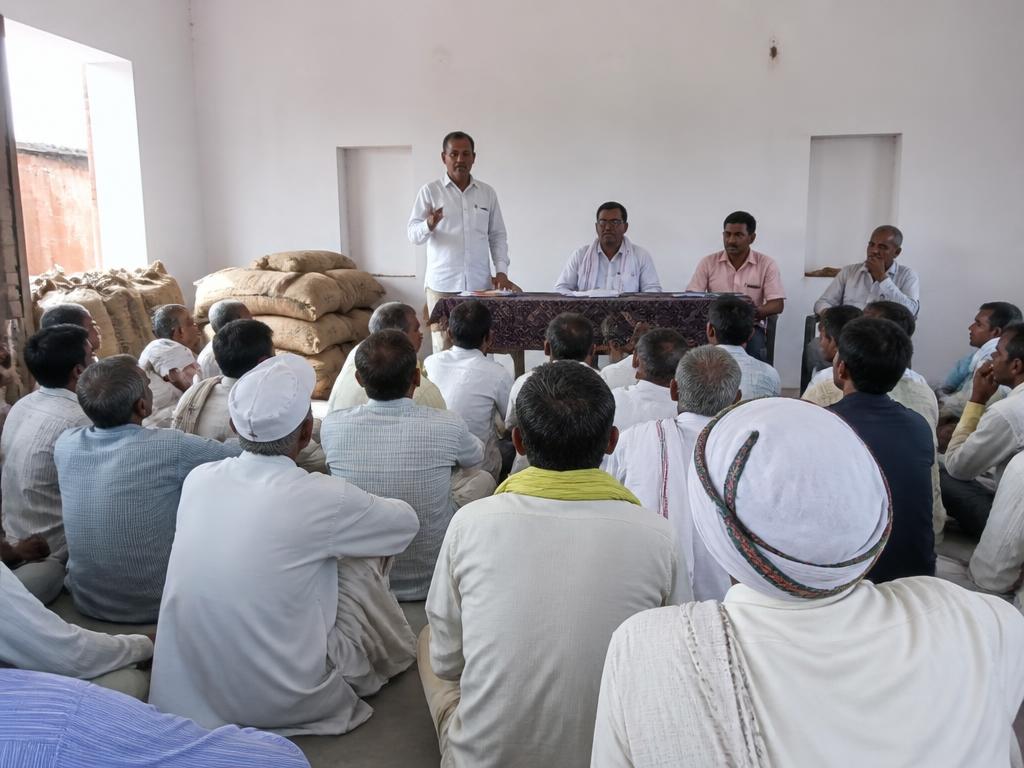
Working through Farmer Producer Organisations and agricultural cooperatives, the only realistic route to reach India's smallholder farming community at scale.
 06Corridor
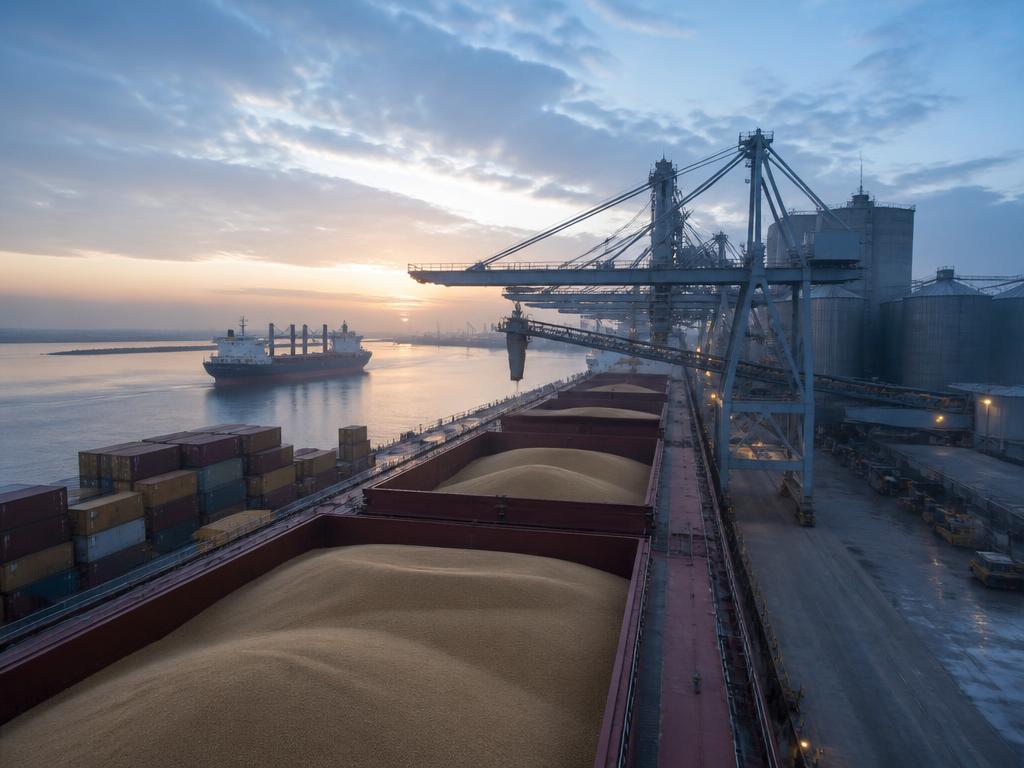
Positioning UK and European partners within the trade corridor established by the UK-India Comprehensive Economic and Trade Agreement, in force from 15 July 2026.
Four milestones connecting the commercial bridge we are building today with the field research foundation that made it possible.
England, United Kingdom (Remote). Contract research fellowship with ICRISAT, keeping the science current while the commercial bridge is built: semi-arid tropics crop research, participatory trial design and translation of institute findings into practical guidance for partners and farmer organisations.
Elected Member of the Royal Agricultural Society of England, the professional body that connects agricultural research, policy and practice across the UK.
Environmental Management for Agriculture, alongside close study of the UK and European agri-tech ecosystem, its manufacturers, research bodies and routes to market.
Extended role across plant breeding and crop physiology, trained in R and CSPro. The work was as much persuasion as science: convincing farming households with no margin for failure to adopt improved varieties.
Selected work from the founder's research record. The full archive of projects, activities and awards is published separately.
 01
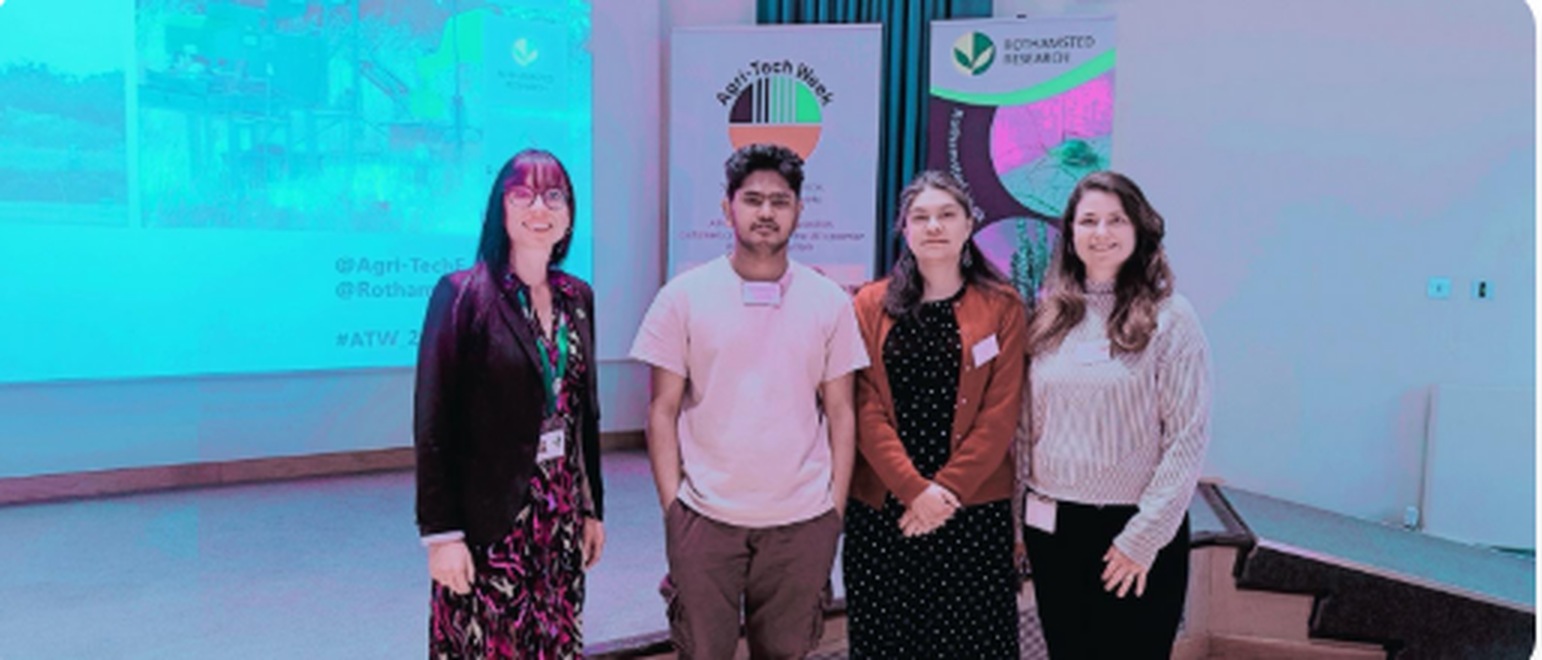
01Collaboration around SporeSenz detection technology, reviewing crop protection practice in use across the UK, USA, Spain and Germany alongside Agri-TechE and bio-product innovators.
 02
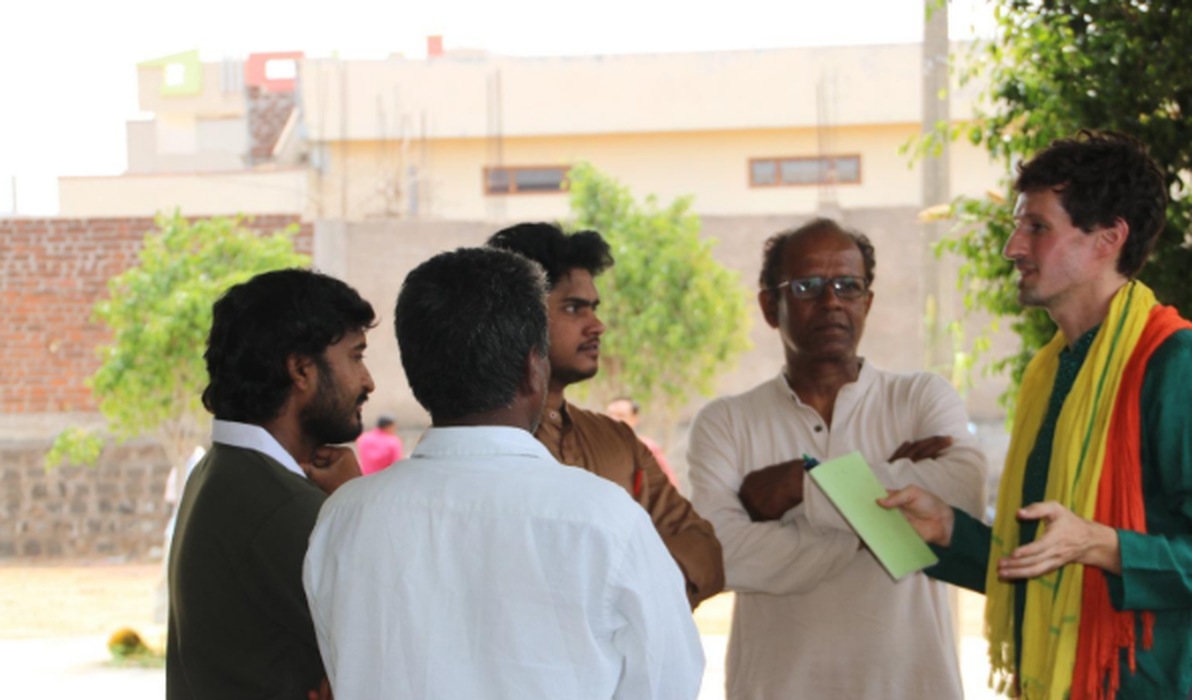
02Led the Adilabad seed multiplication intervention, a randomised controlled trial with rabi sorghum growers, training farming households in seed selection, purity and isolation for better grain quality and margin.
"India does not need to be sold to. It needs to be understood first, and supplied second."
Most failed market entries we have observed share the same mistake: it treated 140 million farmers as a distribution problem rather than a trust problem. We start with the cooperative, the agronomy and the subsidy structure, and only then with the sale. That order is the difference between a pilot and a market.
Founding partners deal with us, not an account layer. Start with a short conversation about your product and where it fits in India.