If you are a UK or European agri-tech company considering India, here is why this is the right moment, and why having a trained agricultural research partner on the ground makes all the difference.
A market opening right now
India's agritech market is growing from $9 billion today to $28 billion by 2030, 3x growth in just 5 years. The UK-India Comprehensive Economic and Trade Agreement (CETA) came into force on 15 July 2026, opening the corridor. AgriShakti UK was built for this corridor before it opened, and remains the only UK-based agri-tech consultancy dedicated to it. The opportunity is enormous, but only those with the right local expertise will succeed.
UK-India FTA: £25.5B trade potential just opened
UK government-backed Agri-Tech India Accelerator is running
Indian government subsidies cover 50-90% of irrigation technology costs
140 million farming households across India
10,000+ Farmer Producer Organisations (FPOs) are ready
India loses 30% of crops post-harvest, a huge cold chain opportunity
Market linkage will contribute 45% of agritech value by 2030, exactly the service AgriShakti UK provides
"India's farmers feed 1.4 billion people. Yet most Indian farmers lack proper safety equipment when applying pesticides. The technology exists. The market exists. What India needs is a trusted bridge, built by someone who understands both worlds."
Sathish Bakkathatla, Founder · AgriShakti UK
140MFarming households
$28BMarket by 2030
1.5%Current penetration
£25.5BFTA potential
Sector dossier
UK & European Product Categories That Thrive in India
These are the categories where UK and European companies have the strongest opportunity right now, backed by Indian government subsidies, FPO demand, and clear market gaps.
01
532,000 ha
Drip irrigation deployed, 2022-23
Precision Irrigation Technology
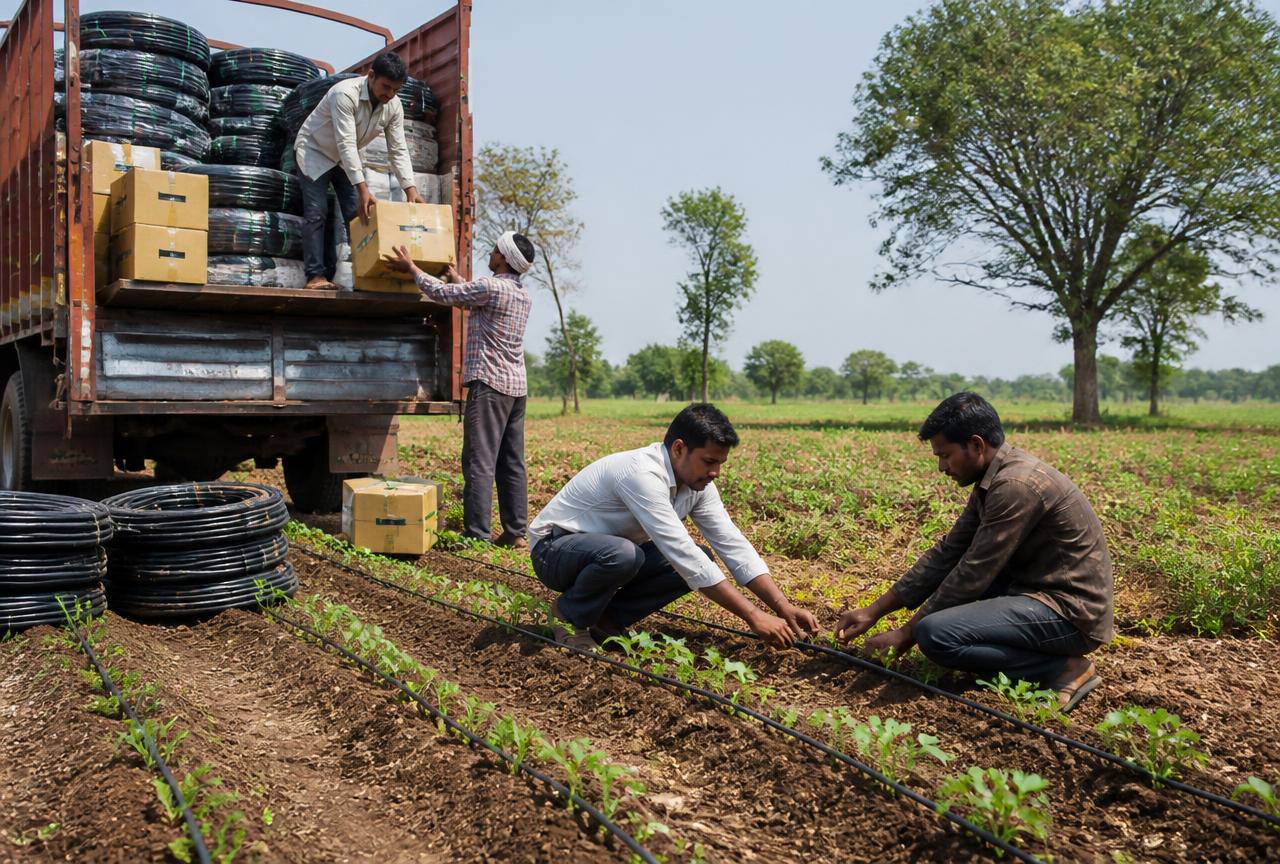
Over 532,000 hectares of drip irrigation deployed in 2022-23 alone. UK and European systems benefit from 55-90% government subsidies covering farmer costs. The world's largest water-scarce farming nation needs your technology.
02
Near zero
UK supplier presence in market
Farm Safety & PPE Equipment
Most Indian farmers lack proper safety equipment when applying pesticides. Pesticide poisoning is a recognised serious health risk for Indian farming communities. UK safety equipment companies have almost no presence here. The largest untapped PPE market in agriculture worldwide.
03
15,000
Drones under Drone Didi by 2026
Agricultural Drones & Robotics
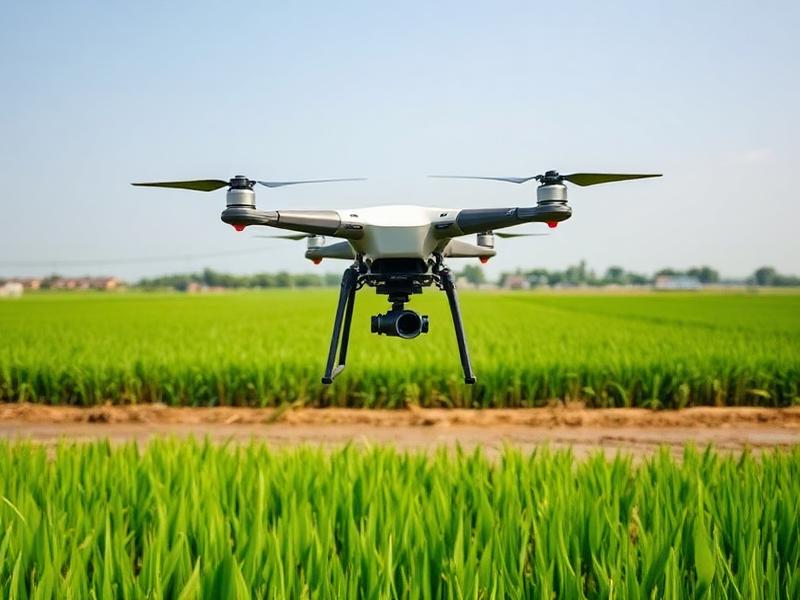
The government's Drone Didi scheme will deploy 15,000 drones to women farmer groups by 2026. UK precision agriculture and drone technology are actively sought across the country.
04
£12bn
Value lost post-harvest each year
Cold Storage & Refrigeration
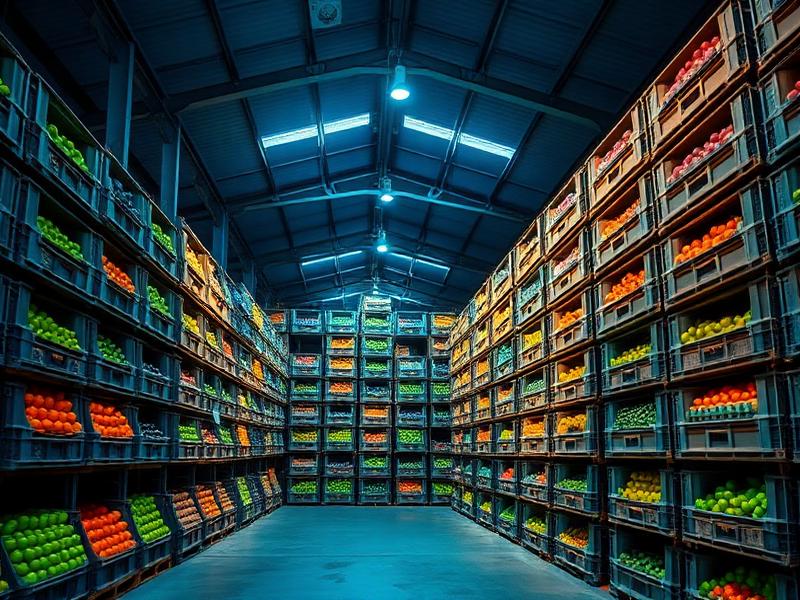
30% of crops are lost post-harvest every year, equivalent to £12 billion vanishing. UK cold chain companies are barely present. A huge underserved market backed by strong subsidies.
05
25% a year
Organic market growth rate
Biopesticides & Sustainable Inputs
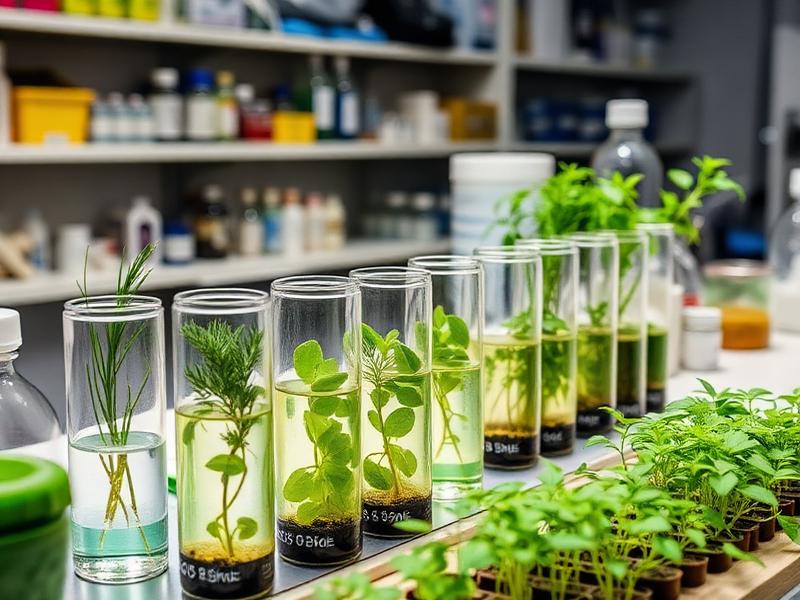
The organic farming market is growing 25% annually. UK and European biological products are preferred over chemicals. National policy is strongly pushing sustainable agriculture.
06
42% vs 95%
India against UK mechanisation
Smart Farming Sensors & IoT
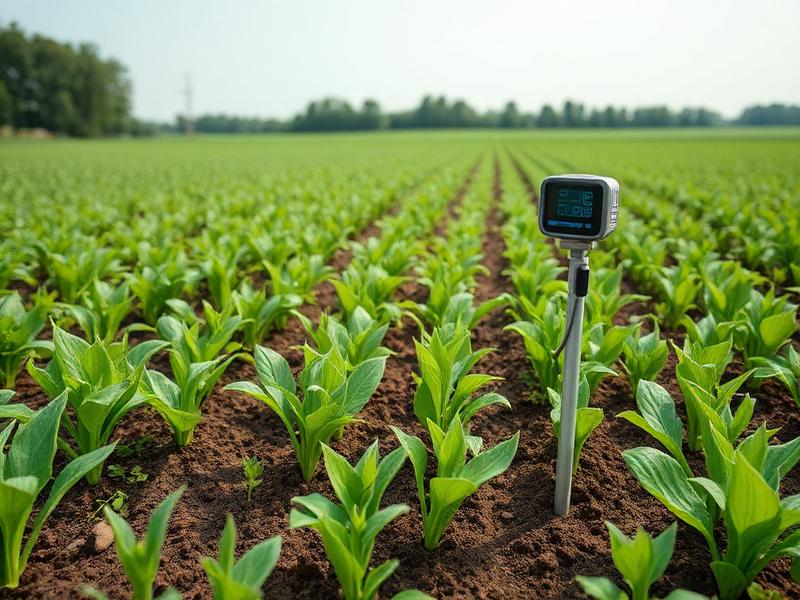
Only 42% farm mechanisation versus the UK's 95%, a vast technology gap. Sensors, soil testing, and weather stations: the entire market is wide open. A strong fit for tech-first UK and European companies.
07
140m farms
Holdings needing compact machinery
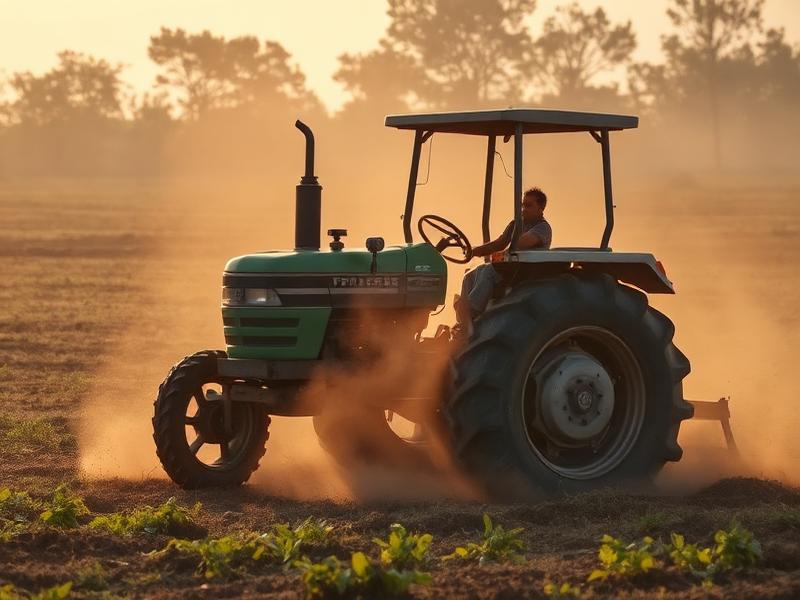
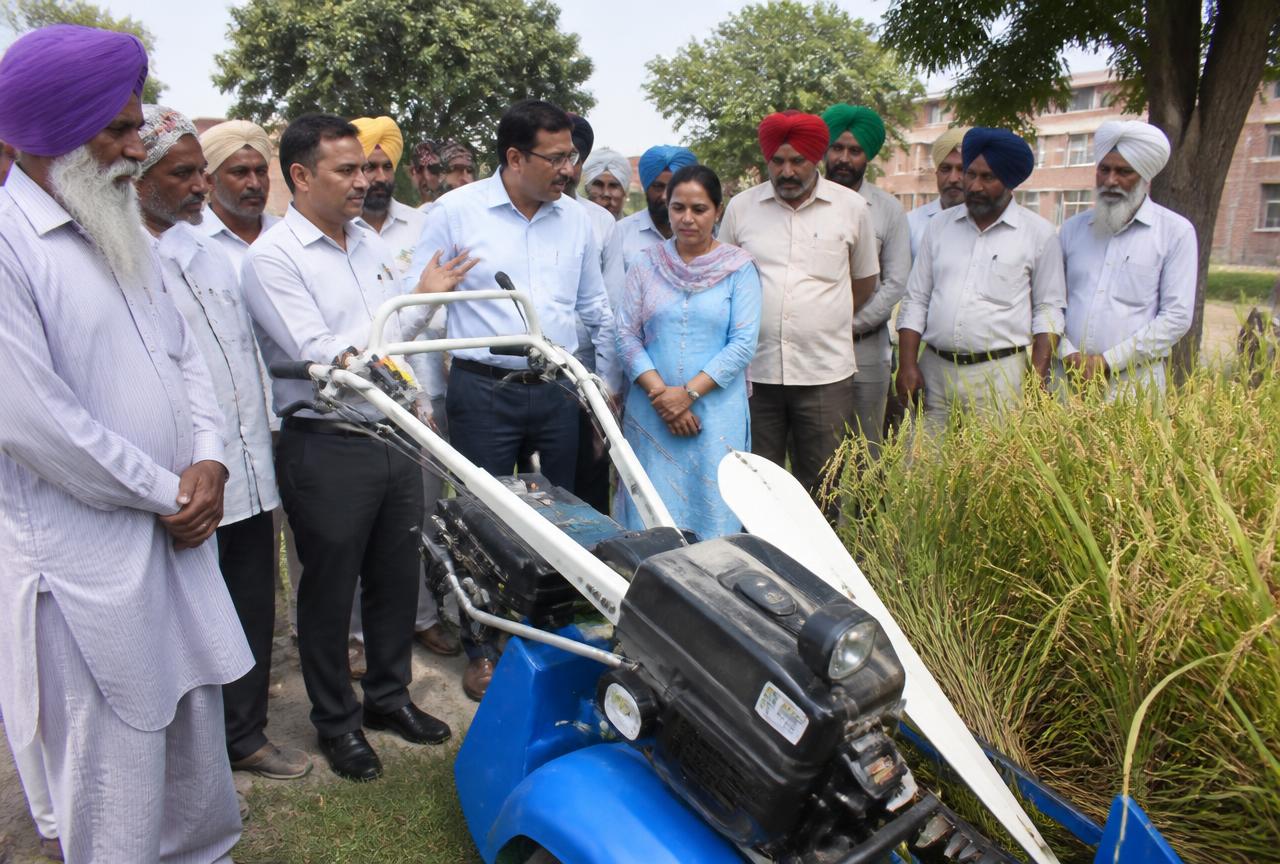
Smart Farm Machinery & Tractors
With 42% mechanisation versus the UK's 95%, the market gap is massive. Smallholder-friendly compact UK and European tractors, harvesters, and implements are urgently needed across 140 million farms.
08
320m tonnes
Annual grain output, 30% lost
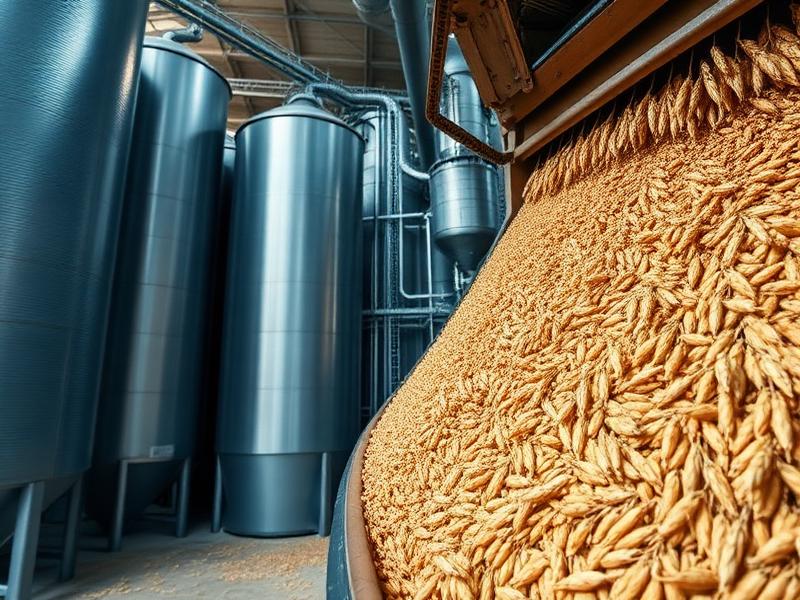
Post-Harvest & Grain Storage
320 million tonnes of grain are produced annually, yet 30% is lost post-harvest. UK and European grain processing, sorting, drying, and storage technologies represent a multi-billion-pound opportunity.
09
210m tonnes
Milk produced each year, £40bn sector
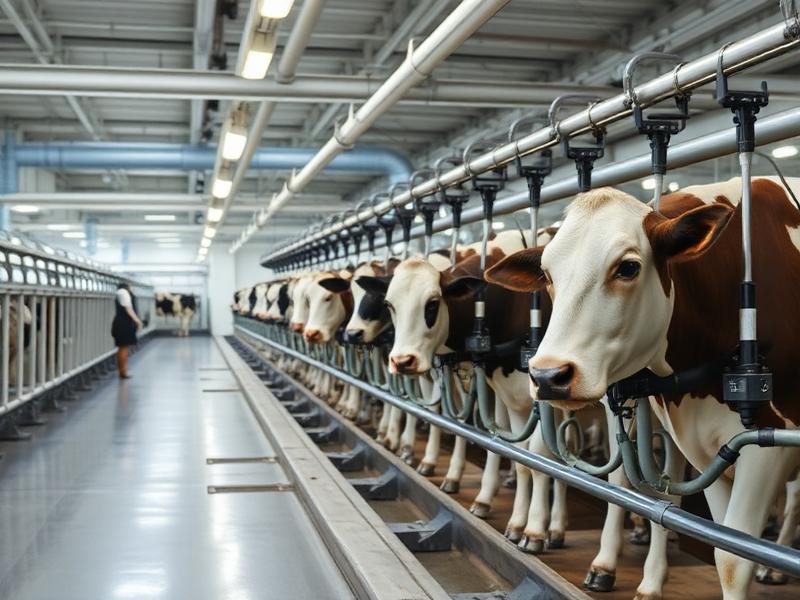
Livestock & Dairy Technology
India is the world's largest milk producer at 210 million tonnes per year. UK and European milking systems, dairy automation, and herd management are urgently needed to modernise this £40 billion sector.
10
Open brief
Assessed case by case
Other Agriculture Products & Services
Not seeing your exact category? If your product or service supports farmers, improves yields, reduces waste, or modernises agriculture in any way, let's talk. Local cooperatives and FPOs are open to a wide range of innovations.
Does your product fit one of these categories? Book a free 30-minute call to discuss the opportunity, no commitment required.
India's agricultural ecosystem includes 140 million farmers, from marginal smallholders managing less than one hectare, to medium farms of 2 to 10 hectares, to large commercial operations above 10 hectares. Reaching them happens through four main channels.
Live footage01
Collective buying power
Farmer Producer Organisations (FPOs)
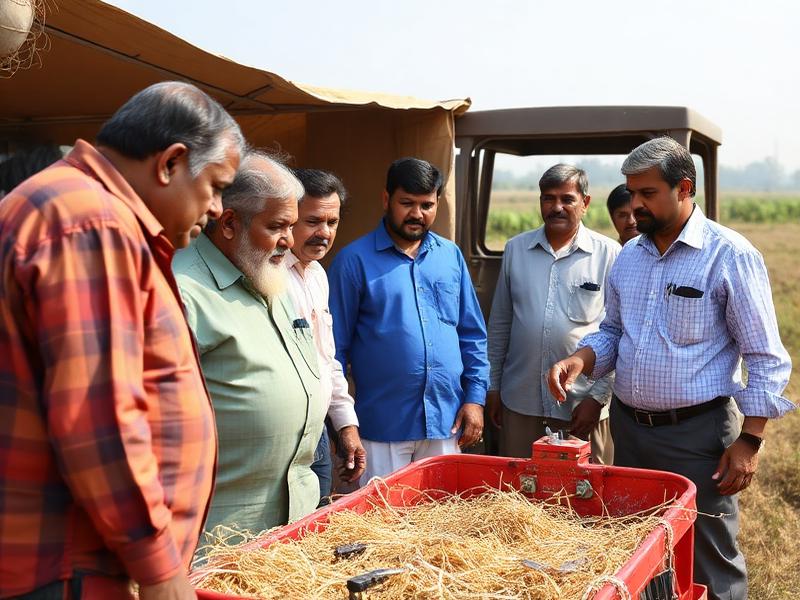
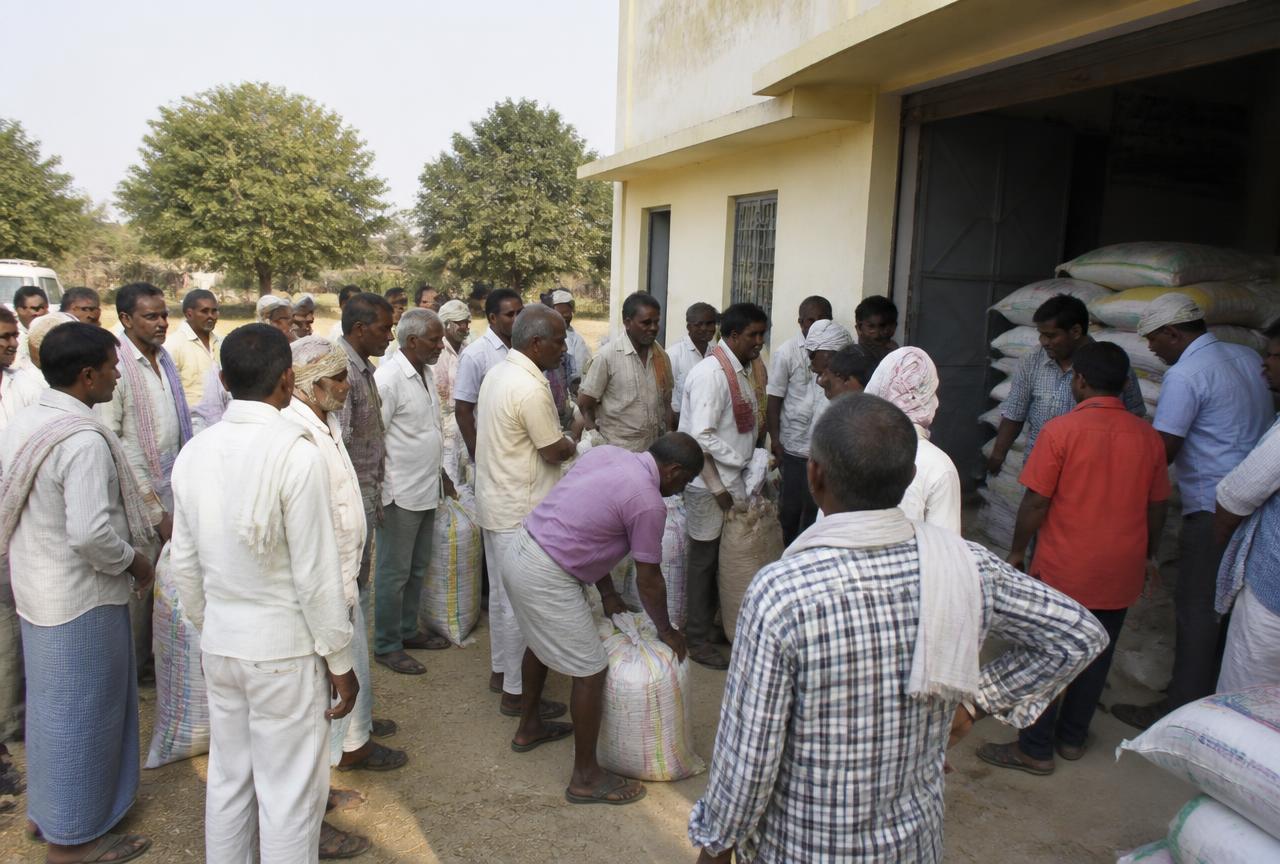
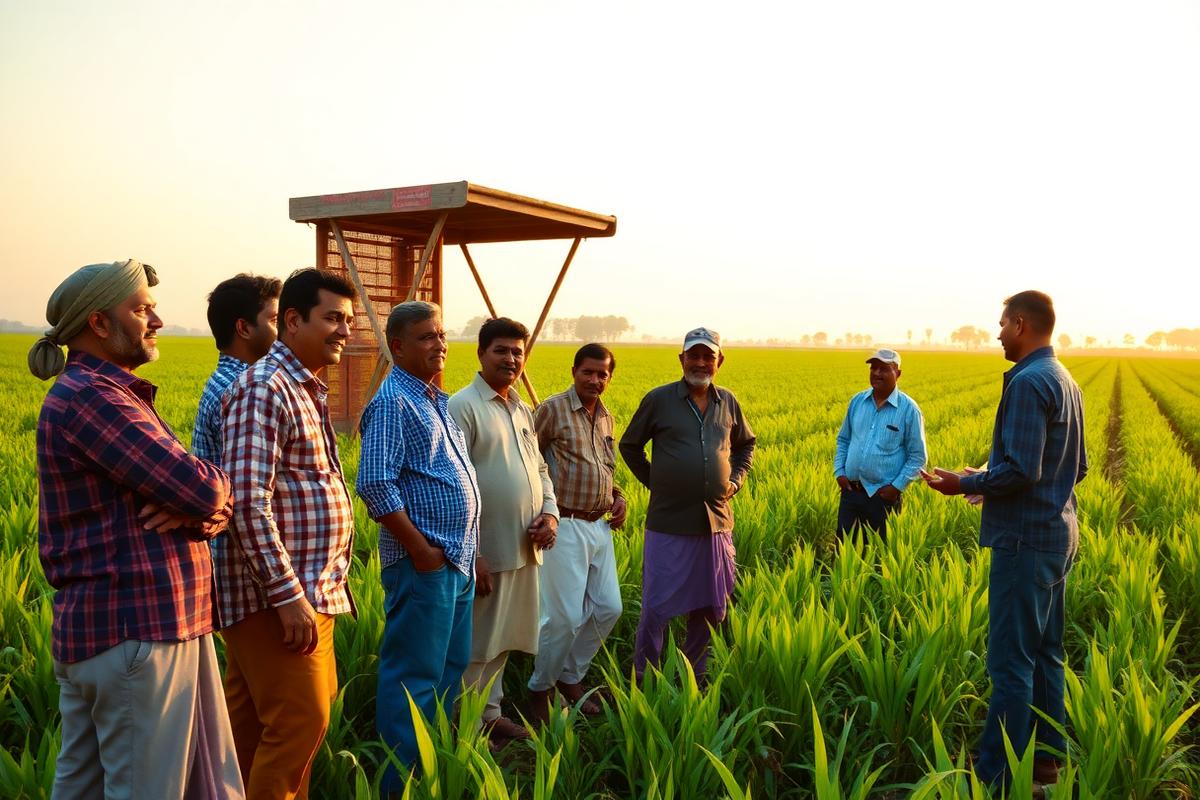
India has over 10,000 FPOs, each with 200 to 1,000+ farmer members. AgriShakti UK is building partnerships with FPOs to provide collective buying power and demonstration platforms.
10,000+
Registered FPOs
200 to 1,000+
Members per FPO
Single contract
Reaches a whole village cluster
02
Ground distribution
Direct Farmer Networks
Cooperative societies, agricultural cooperatives and farmer self-help groups across India's major agricultural states.
Village level
Cooperative societies
Self-help groups
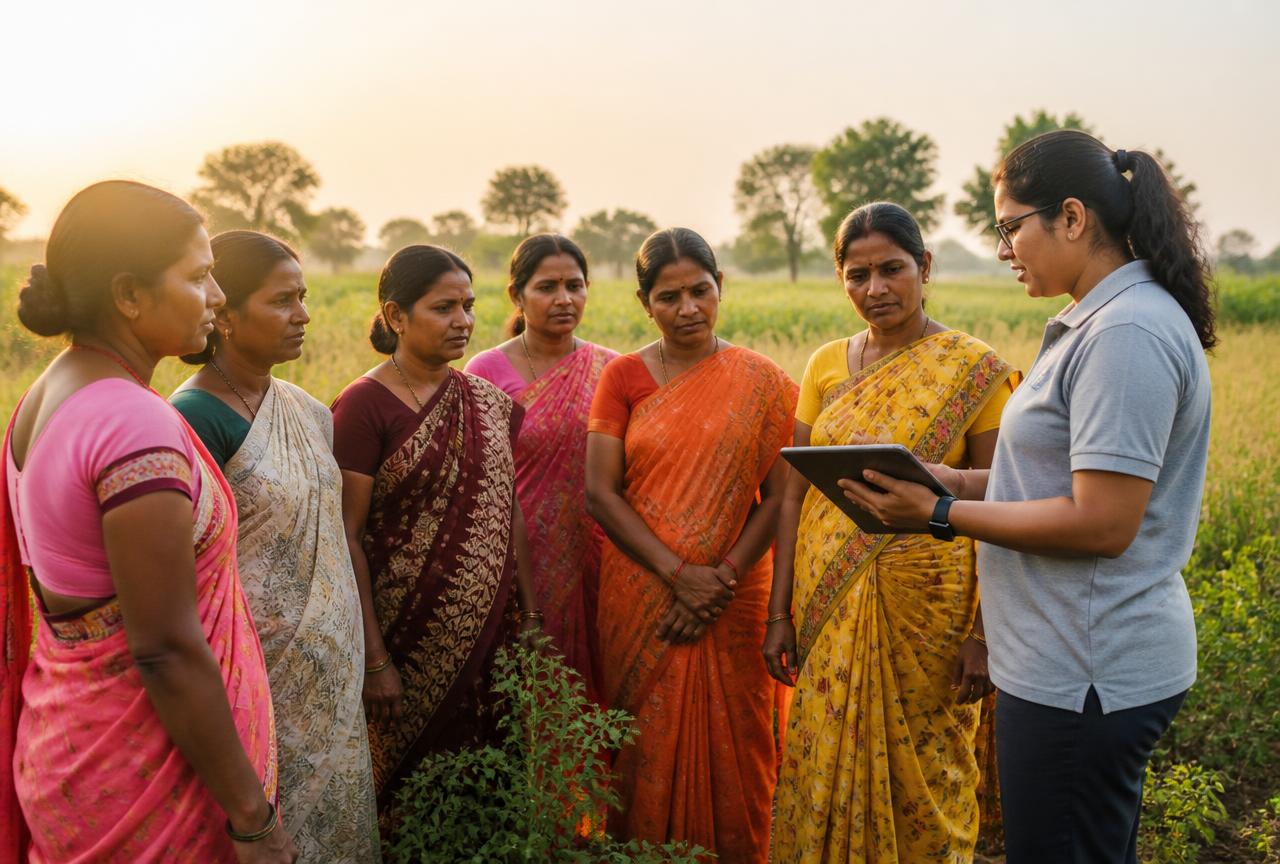
Women-led farming collectives
Major states
Punjab to Telangana
03
Public funding
Government Schemes
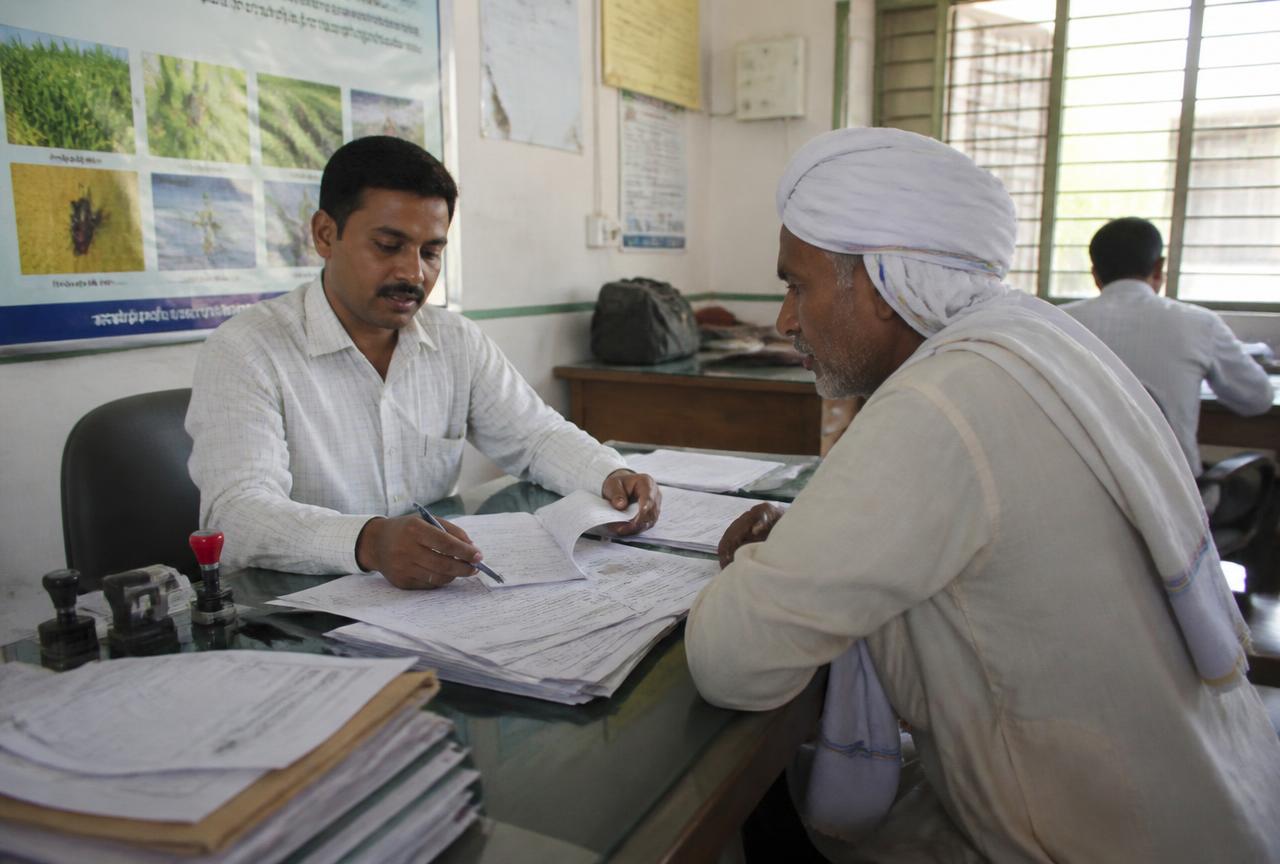
Schemes such as APEDA, NABARD and SFAC provide subsidies of 50-90% on agricultural equipment, making premium UK and European technology accessible to Indian farmers.
50 to 90%
Equipment subsidy range
APEDA, NABARD, SFAC
Primary funding routes
Price parity
Premium kit made affordable
04
Proof and credibility
Universities and Research Institutes
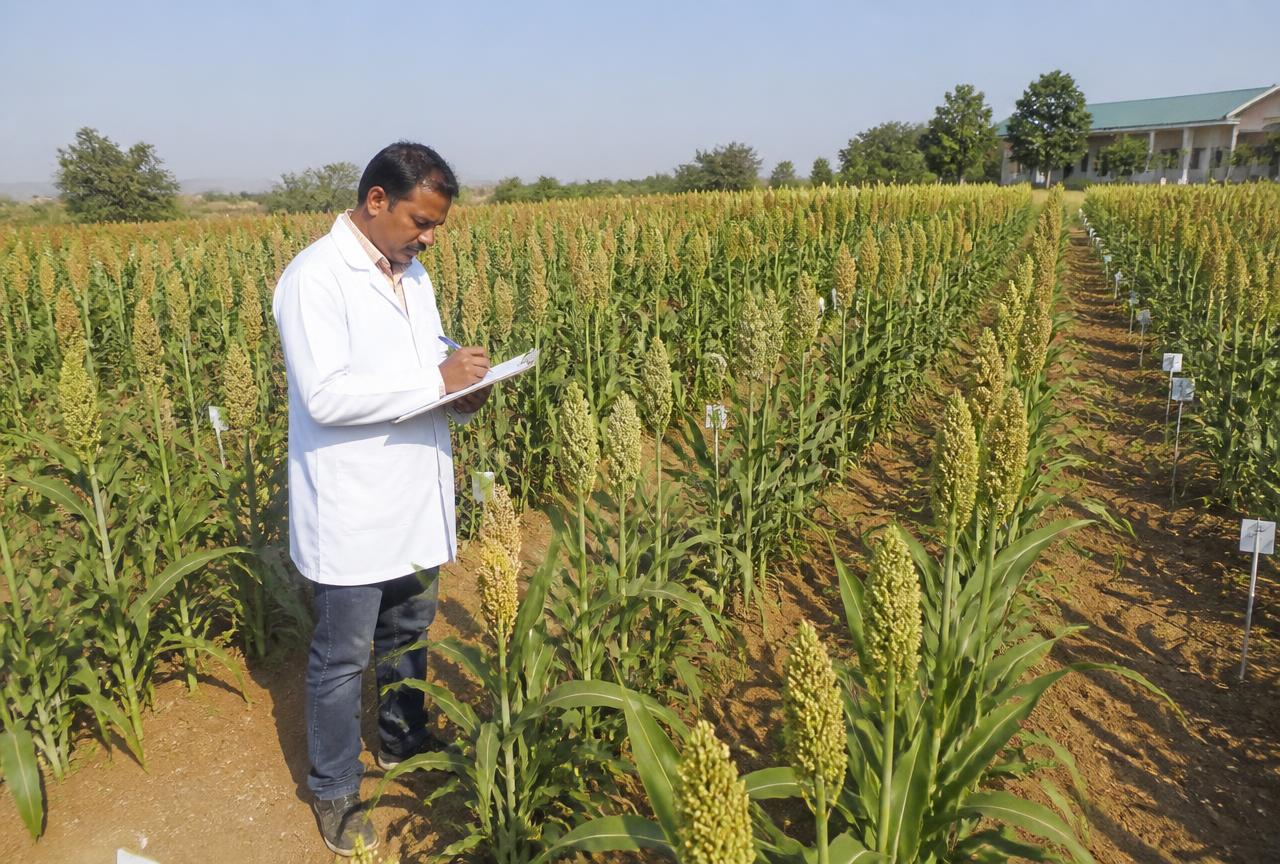
Partnerships with institutions such as ICRISAT, Krishi Vigyan Kendras and state agricultural universities provide credibility and pilot demonstration opportunities.
ICRISAT
Semi-arid tropics research
731 KVKs
District extension centres
Trial data
Independent field validation
Precision agriculture, drones, irrigation, storage or any other agricultural product, we map it to the right Indian channels.
Founding Partner Programme
Our first 5 founding partners get priority focus, special terms, and a personal commitment to their India success. Here is exactly how the process works.
1
Week 1
Initial Discovery Call
30-minute call to understand your products, your India ambitions, and what success looks like for you. No commitment required.
2
Week 2-3
Custom India Market Brief
We prepare a custom 5-10 page India market brief for your specific products, covering target sectors, ideal Indian cooperatives, competitor analysis, pricing, regulatory pathway, and subsidies.
3
Week 4
Partnership Agreement
We agree partnership terms together: a monthly advisory retainer, a fixed project fee, or a hybrid structure based on your specific needs and partnership scope.
4
Month 2-3
India Market Entry
We begin building formal connections with Indian cooperatives, FPOs, and government bodies, using our agricultural credentials and ICRISAT research background.
5
Month 4+
Demonstrations & Sales
We arrange product demonstrations, train cooperative leaders, and convert relationships into orders, with ongoing reporting back to you.
AgriShakti UK is the only UK and European based agri-tech consultancy built specifically around the India smallholder corridor, and our engagements run on three frameworks developed from field research rather than borrowed from generalist market entry practice.
01
FPO Trust Framework
A structured method for assessing and building credibility with Farmer Producer Organisations before a single unit is sold. Organisations are screened on governance, membership scale, prior technology adoption and repayment behaviour, then engaged through demonstration-led trials rather than sales presentations.
02
Subsidy Pathway Matrix
A mapping model that connects a product category to the central and state government schemes that fund between 50 and 90 percent of equipment and input costs, with the qualification criteria, empanelment route and documentation sequence set out for each pathway.
03
Cultural Fluency Bridge
A translation discipline that converts UK and European technical positioning into language, pricing logic and demonstration formats that Indian farming households, cooperatives and state officials actually respond to, removing the cultural gap that defeats most first market entries.
 01
01